



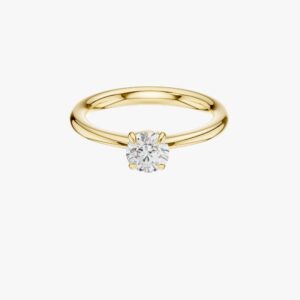
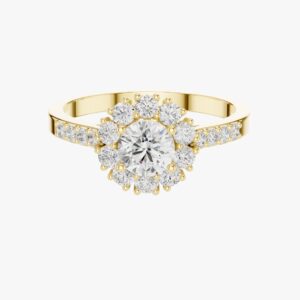
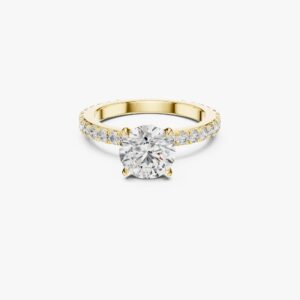
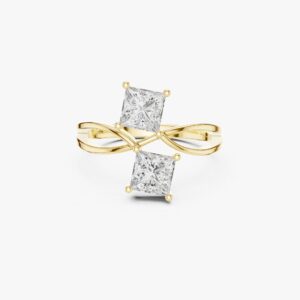
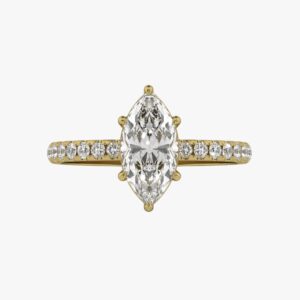
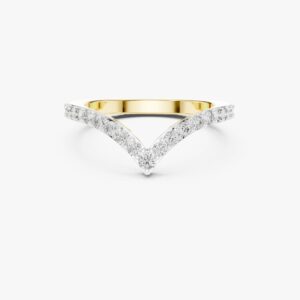
Buying a piece of jewellery set with a diamond is an investment, and often an emotional one: an engagement ring, a birthday gift, a keepsake to pass on. Yet there is one detail many buyers overlook at the checkout: the real quality of the stone.
Richard, founder of Les Bijoux d’Angeli, explains it in a short video: there is a simple way to know what you are really buying.
When you buy jewellery from a jeweller, you receive a certificate of authenticity. It states the diamond’s clarity — that is, how visible the inclusions in the stone are. If you see the letter P (for “piqué”) on it, your diamond belongs to the lowest clarity grade on the market.
The problem, Richard points out, is that the seller is under no obligation to tell you so at the time of purchase. It’s up to you to ask. And some large chains sell low-grade diamonds at prices that match those of standard diamonds, without the customer ever noticing.
Our advice is simple: before you buy, ask to see the certificate, check the clarity stated and don’t hesitate to ask for explanations. A diamond is for life; you have the right to know exactly what you are wearing.
At Les Bijoux d’Angeli, we choose transparency. Whether you ask or not, we always tell you the quality of the diamond you are choosing.
Watch Richard’s explanation in the video below.
Two things in the French source to fix before publishing: the brand is spelt “Bijoux d’Angélie” twice (should be d’Angeli), and “P (pour « piqué »)” is the old French grading term — on GIA/IGI certificates the lowest grades read I1–I3 (Included). Worth adding in both languages: « (noté I1 à I3 sur les certificats GIA/IGI) » / “(graded I1 to I3 on GIA/IGI certificates)”, otherwise readers won’t find a “P” on a modern certificate.